
Essential Hurricane Preparedness Checklist for Southwest Florida Homeowners

Living in Southwest Florida means enjoying beautiful beaches and warm weather, but it also means facing the reality of hurricane season every year. Hurricanes can cause severe damage to homes, disrupt daily life, and pose serious safety risks. Preparing your home ahead of time can reduce damage and protect your family. This checklist will guide Southwest Florida homeowners through practical steps to get ready for hurricane season.

Understand Your Risk and Stay Informed - Hurricane Preparedness Checklist
Before preparing your home, know the specific risks in your area. Southwest Florida is prone to hurricanes from June through November, with peak activity usually between August and October.
Monitor weather updates from the National Hurricane Center and local news.
Sign up for emergency alerts through your county’s notification system.
Know your evacuation zone and routes. Local governments provide maps and instructions.
Have a communication plan with family and neighbors in case of evacuation or power outages.
Secure Your Home’s Exterior
The exterior of your home takes the brunt of hurricane winds and rain. Protecting it is crucial. Hurricane Preparedness Checklist.
Install hurricane shutters or impact-resistant windows. These reduce the chance of broken glass and water intrusion.
Reinforce doors, especially garage doors. Garage doors are vulnerable and can fail under pressure.
Trim trees and remove dead branches. Falling limbs cause significant damage during storms.
Secure outdoor furniture, grills, and decorations. Bring them inside or tie them down to prevent them from becoming dangerous projectiles.
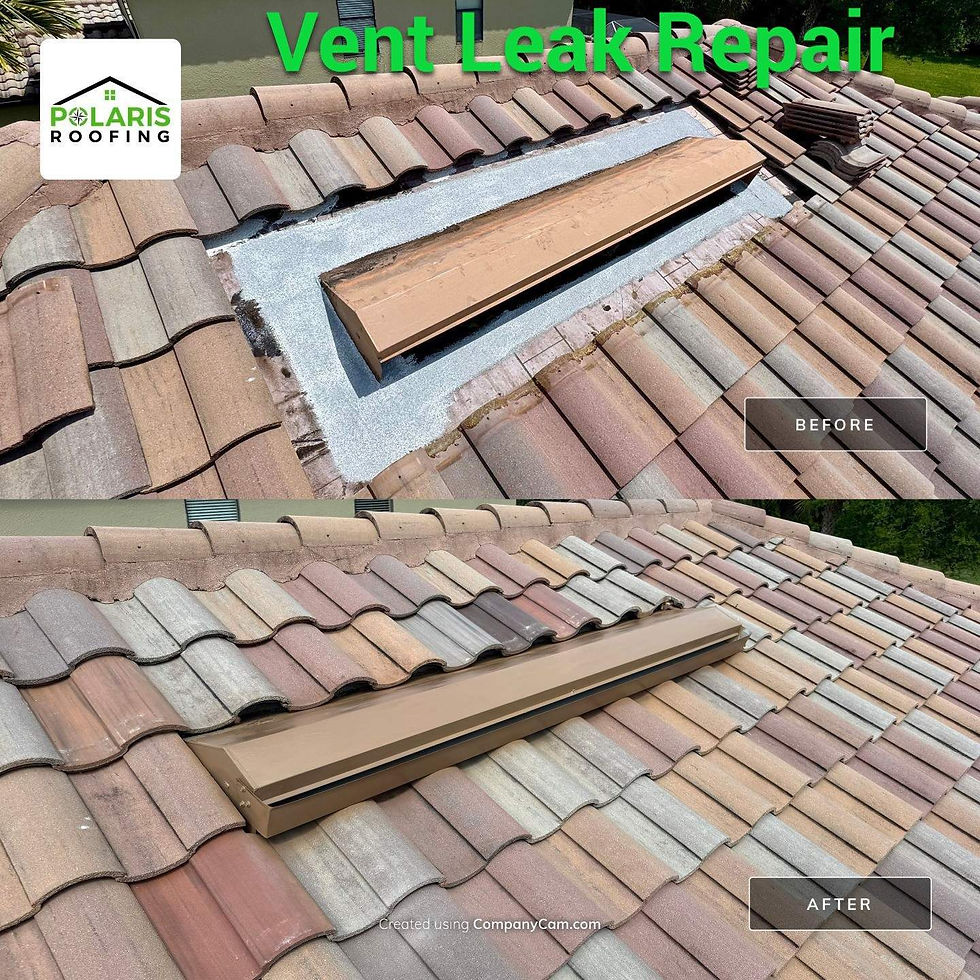
Check your roof for loose shingles or tiles. Repair any damage before hurricane season starts.
Prepare Emergency Supplies
Having the right supplies on hand can make a big difference during and after a hurricane.
Water: Store at least one gallon per person per day for at least three days.
Non-perishable food: Stock up on canned goods, dry snacks, and ready-to-eat meals.
Flashlights and batteries: Power outages are common, so have multiple light sources.
First aid kit: Include bandages, antiseptics, medications, and any personal prescriptions.
Portable phone chargers: Keep devices charged to stay connected.
Cash: ATMs and credit card machines may not work after a storm.
Important documents: Keep insurance papers, IDs, and medical records in a waterproof container.
Protect Your Utilities and Systems
Utilities can be disrupted or damaged during hurricanes. Taking precautions helps minimize problems.
Turn off propane tanks and secure gas lines.
Know how to shut off water and electricity in case of flooding or damage.
Install a sump pump if your home is prone to flooding.
Consider a generator for backup power, but use it safely outdoors.
Elevate electrical appliances and wiring if you live in a flood-prone area.
Plan for Evacuation and Shelter
Sometimes the safest option is to leave your home.
Identify nearby shelters and their rules, especially for pets.
Pack an emergency go-bag with essentials like clothing, medications, and personal items.
Arrange transportation ahead of time if you don’t have a vehicle.
Inform family or friends of your evacuation plans and destination.
Review Insurance and Documentation
After a hurricane, insurance claims can be complicated.
Review your homeowner’s insurance policy to understand coverage for wind, flood, and storm damage.
Take photos or videos of your home and belongings before hurricane season.
Keep a list of valuable items with descriptions and purchase dates.
Consider flood insurance if you don’t already have it, since standard policies often exclude flood damage.
Maintain Your Property Year-Round
Preparation is easier when you keep your property in good condition.
Clean gutters and downspouts to prevent water backup.
Maintain landscaping to reduce debris.
Inspect and repair fences and gates.
Check your drainage system to ensure water flows away from your home.
After the Hurricane
Once the storm passes, safety remains a priority.
Avoid flooded areas and downed power lines.
Inspect your home carefully for damage before entering.
Document damage with photos for insurance claims.
Use generators outdoors to avoid carbon monoxide poisoning.
Stay tuned to official updates for information on recovery and assistance.

Comments