
Expert Roofing Tips for Homeowners in Your Area
When it comes to home maintenance, the roof is often overlooked until a problem arises. However, a well-maintained roof is crucial for protecting your home from the elements and ensuring its longevity. In this post, we will explore expert roofing tips that every homeowner should know. Whether you are planning a roof replacement, looking to perform routine maintenance, or simply want to understand your roofing options better, this guide is for you.

Understanding Your Roof
Types of Roofing Materials
Before diving into maintenance tips, it's essential to understand the different types of roofing materials available. Each type has its own advantages and disadvantages:
Asphalt Shingles: The most common roofing material, known for its affordability and ease of installation. They typically last 15-30 years.
Metal Roofing: Durable and energy-efficient, metal roofs can last 40-70 years. They are resistant to extreme weather but can be more expensive upfront.
Tile Roofing: Clay or concrete tiles offer a unique aesthetic and can last over 50 years. However, they are heavy and may require additional structural support.
Slate Roofing: Known for its beauty and longevity, slate can last over a century. It is, however, one of the most expensive options.
Recognizing Common Roofing Problems - Expert Roofing Tips for Homeowners
Understanding common roofing issues can help you catch problems early. Here are some signs to look out for:
Missing or Damaged Shingles: This can lead to leaks and further damage.
Sagging Roof: A sagging roof may indicate structural issues that need immediate attention.
Water Stains on Ceilings: This often points to leaks in the roof.
Granules in Gutters: If you notice granules from shingles in your gutters, it may indicate that your shingles are deteriorating.
Routine Maintenance Tips
Regular Inspections
Conducting regular inspections is key to maintaining your roof. Aim to inspect your roof at least twice a year, ideally in the spring and fall. Here’s what to look for during your inspection:
Check for Debris: Remove leaves, branches, and other debris that can trap moisture.
Inspect Flashing: Ensure that the flashing around chimneys and vents is intact and not rusted.
Look for Moss or Algae: These can retain moisture and damage shingles over time.
Clean Your Gutters
Clogged gutters can lead to water pooling on your roof, which can cause leaks and other damage. Clean your gutters at least twice a year, or more frequently if you have overhanging trees. Here’s how to do it:
Remove Debris: Use a scoop or your hands (wear gloves) to remove leaves and dirt.
Flush with Water: Use a garden hose to flush out any remaining debris.
Check Downspouts: Ensure that downspouts are clear and directing water away from your foundation.
Trim Overhanging Branches
Overhanging branches can scrape your roof and drop debris, leading to potential damage. Trim branches that are within six feet of your roof to prevent these issues.
When to Call a Professional
While routine maintenance can be done by homeowners, some situations require professional help. Here are instances when you should call a roofing expert:
Severe Damage: If you notice significant damage after a storm, it’s best to have a professional assess the situation.
Complex Repairs: If the repair involves structural issues or complex roofing systems, a professional is necessary.
Roof Replacement: If your roof is nearing the end of its lifespan or has extensive damage, consider hiring a professional for replacement.
Choosing the Right Roofing Contractor
When it comes time to hire a roofing contractor, choosing the right one is crucial. Here are some tips to help you make an informed decision:
Check Credentials: Ensure the contractor is licensed, insured, and has a good reputation in your area.
Get Multiple Quotes: Don’t settle for the first quote. Obtain at least three estimates to compare prices and services.
Ask for References: A reputable contractor should be able to provide references from previous clients.
Understanding Roofing Warranties
Warranties can vary significantly between manufacturers and contractors. Here’s what to know:
Material Warranty: This covers defects in the roofing material and typically lasts 20-50 years.
Workmanship Warranty: This covers the installation of the roof and usually lasts 1-10 years.
Make sure to read the fine print and understand what is covered and for how long.
Energy Efficiency and Roofing
A well-insulated roof can significantly impact your home’s energy efficiency. Here are some tips to improve energy efficiency:
Choose Energy-Efficient Materials: Consider materials with high energy ratings, such as reflective metal roofing.
Insulate Your Attic: Proper insulation can prevent heat loss in winter and keep your home cooler in summer.
Ventilation: Ensure your roof has proper ventilation to reduce heat buildup and moisture accumulation.
Preparing for Extreme Weather
Extreme weather can take a toll on your roof. Here are steps to prepare:
Inspect Before Storms: Check for loose shingles and other vulnerabilities before a storm hits.
Secure Outdoor Items: Bring in or secure any outdoor furniture or decorations that could become projectiles in high winds.
Have an Emergency Plan: Know what to do in case of severe damage, including how to contact your insurance company.
Conclusion
Maintaining your roof is essential for protecting your home and ensuring its longevity. By understanding your roofing options, conducting regular inspections, and knowing when to call a professional, you can keep your roof in top shape. Remember, a well-maintained roof not only enhances your home's curb appeal but also provides peace of mind. Take action today to ensure your roof remains a strong shield against the elements.
For more tips and expert advice, stay tuned to our blog and keep your home safe and sound!


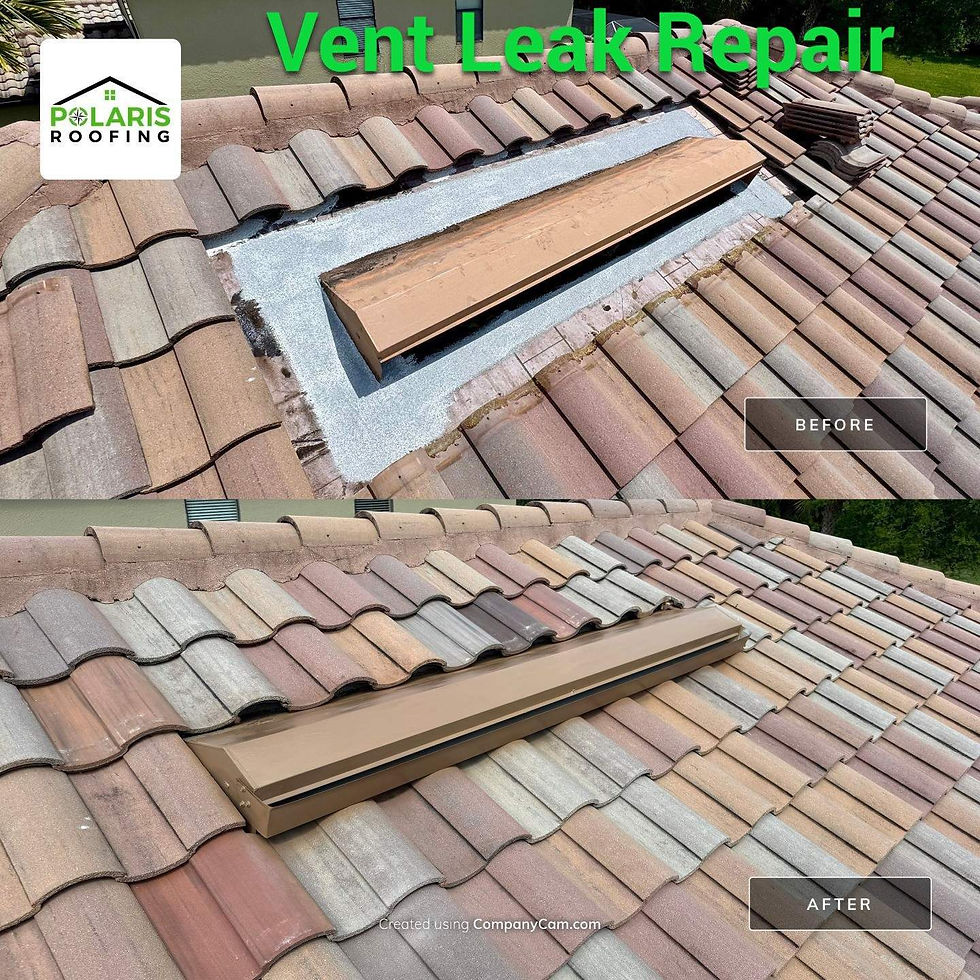
The advice about checking the roof after major weather events is especially useful. One thing homeowners may miss is the attic side of the roof assembly. If insulation is thin or uneven, heat can move through the ceiling more easily and contribute to ice dams during colder weather. That’s something we pay attention to when working as Attic insulation contractors, particularly when a homeowner is already planning roof repairs or replacement. Checking the attic before the new roof goes on can make it easier to spot insulation problems while the area is accessible.