
Understanding Roofing Materials: A Comprehensive Guide

When it comes to building or renovating a home, one of the most critical decisions you'll face is selecting the right roofing material. The roof is not just a protective barrier against the elements; it also plays a significant role in the overall aesthetics and energy efficiency of your home. With a plethora of options available, understanding the various roofing materials can help you make an informed choice that suits your needs and budget. Check out our Roofing Materials Guide.
The Importance of Choosing the Right Roofing Material
Choosing the right roofing material is essential for several reasons:
Durability: Different materials have varying lifespans and resistance to weather conditions.
Energy Efficiency: Some materials reflect heat better than others, impacting your home's energy consumption.
Aesthetic Appeal: The right roofing material can enhance your home's curb appeal and value.
Cost: Initial costs and long-term maintenance expenses vary significantly between materials.
Common Roofing Materials
Asphalt Shingles
Asphalt shingles are one of the most popular roofing materials in North America. They are known for their affordability and ease of installation.
Pros:
- Cost-effective
- Available in various colors and styles
- Good fire resistance
Cons:
- Shorter lifespan (15-30 years)
- Can be prone to algae growth in humid climates
Metal Roofing
Metal roofing has gained popularity due to its longevity and modern appearance. It can be made from various metals, including steel, aluminum, and copper.
Pros:
- Extremely durable (lasts 40-70 years)
- Reflects heat, improving energy efficiency
- Lightweight and easy to install
Cons:
- Higher initial cost
- Can be noisy during rain or hail
Clay and Concrete Tiles
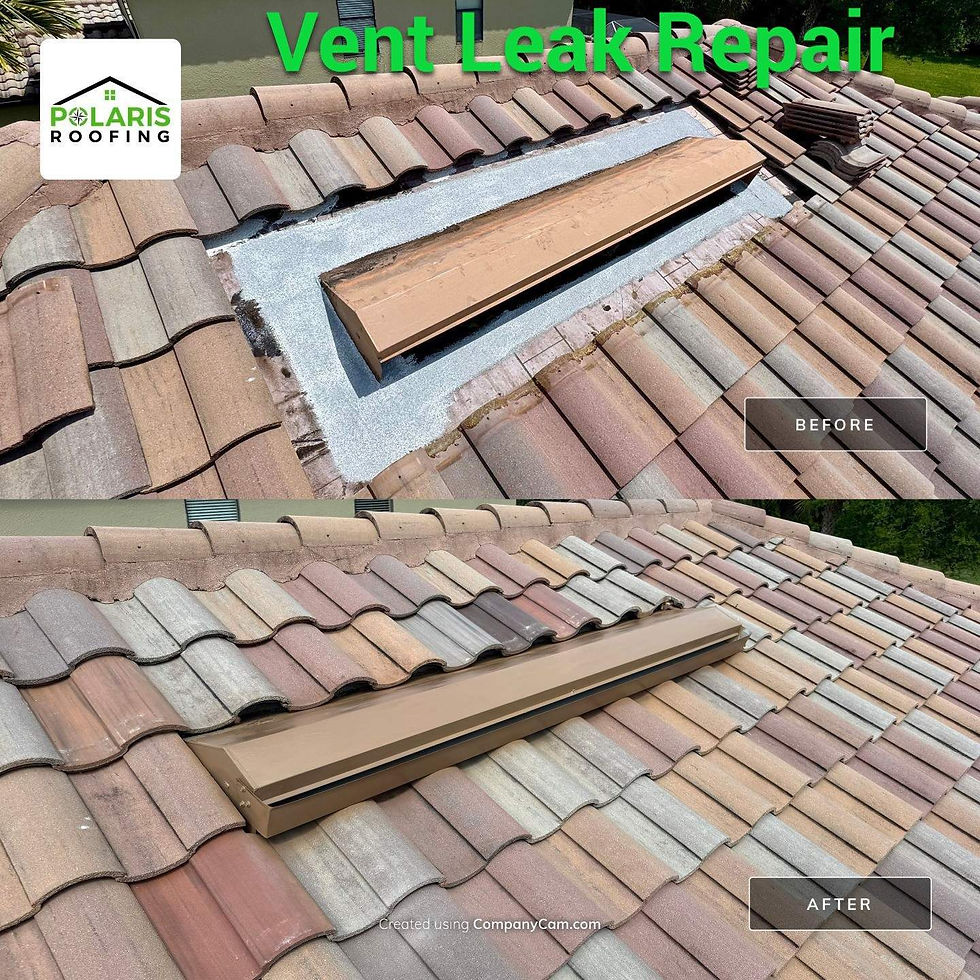
Clay and concrete tiles are known for their distinctive appearance and durability. They are often found in Mediterranean-style homes.
Pros:
- Long lifespan (50-100 years)
- Excellent fire resistance
- Low maintenance
Cons:
- Heavy, requiring additional structural support
- Higher installation costs
Slate Roofing
Slate is a natural stone that offers a unique and elegant look. It is one of the most durable roofing materials available.
Pros:
- Extremely long lifespan (75-200 years)
- Unique aesthetic appeal
- Fire-resistant
Cons:
- Very heavy, requiring strong structural support
- High cost and difficult installation
Wood Shingles and Shakes
Wood shingles and shakes provide a natural look and can blend well with various architectural styles.
Pros:
- Attractive appearance
- Good insulation properties
Cons:
- Requires regular maintenance
- Susceptible to rot and insect damage
Factors to Consider When Choosing Roofing Materials - Roofing Materials Guide
Climate
The climate in your area plays a significant role in determining the best roofing material for your home. For example, if you live in a region with heavy snowfall, a steeply pitched roof with metal or slate may be ideal. Conversely, in warmer climates, materials that reflect heat, such as metal or tile, can help keep your home cool.
Budget
Your budget will significantly influence your choice of roofing material. While some materials may have a lower upfront cost, they may require more frequent repairs or replacements, leading to higher long-term expenses. Consider both initial costs and potential maintenance costs when making your decision.
Aesthetic Preferences
The appearance of your roof can impact your home's overall curb appeal. Consider the architectural style of your home and choose a roofing material that complements it. For instance, a modern home may look best with a sleek metal roof, while a traditional home may benefit from the classic look of asphalt shingles or wood shakes.
Local Building Codes
Before selecting a roofing material, check your local building codes and regulations. Some areas have restrictions on certain materials, especially in regions prone to wildfires or severe weather.
Environmental Impact of Roofing Materials
As sustainability becomes increasingly important, many homeowners are considering the environmental impact of their roofing choices. Here are some eco-friendly options:
Cool Roofing
Cool roofing materials reflect more sunlight and absorb less heat, helping to reduce energy costs. These materials can include reflective asphalt shingles, metal roofing, and certain types of tiles.
Recycled Materials
Some roofing materials, such as metal and certain types of shingles, can be made from recycled materials. Choosing these options can reduce your environmental footprint.
Green Roofs
A green roof involves planting vegetation on your roof, providing insulation and reducing stormwater runoff. While this option can be more expensive and requires maintenance, it offers significant environmental benefits.
Maintenance Tips for Different Roofing Materials
Asphalt Shingles
Inspect for missing or damaged shingles regularly.
Clean gutters to prevent water backup.
Remove debris from the roof to prevent mold growth.
Metal Roofing
Check for rust or corrosion, especially in coastal areas.
Ensure seams and fasteners are secure.
Clean off any debris to prevent scratches.
Clay and Concrete Tiles
Inspect for cracks or broken tiles.
Ensure proper drainage to prevent water pooling.
Clean gutters and downspouts regularly.
Slate Roofing
Have a professional inspect the roof periodically.
Replace any broken or missing slates promptly.
Ensure proper drainage to prevent water damage.
Wood Shingles and Shakes
Treat with preservatives to prevent rot and insect damage.
Clean regularly to remove moss and debris.
Inspect for signs of wear or damage.
Conclusion
Choosing the right roofing material is a crucial decision that impacts your home's durability, energy efficiency, and aesthetic appeal. By understanding the various options available and considering factors such as climate, budget, and maintenance, you can make an informed choice that meets your needs. Whether you opt for the classic look of asphalt shingles or the durability of metal roofing, investing time in research will pay off in the long run.

As you embark on your roofing journey, remember to consult with professionals and consider your long-term goals. The right roof can enhance your home’s value and comfort for years to come.

Comments